
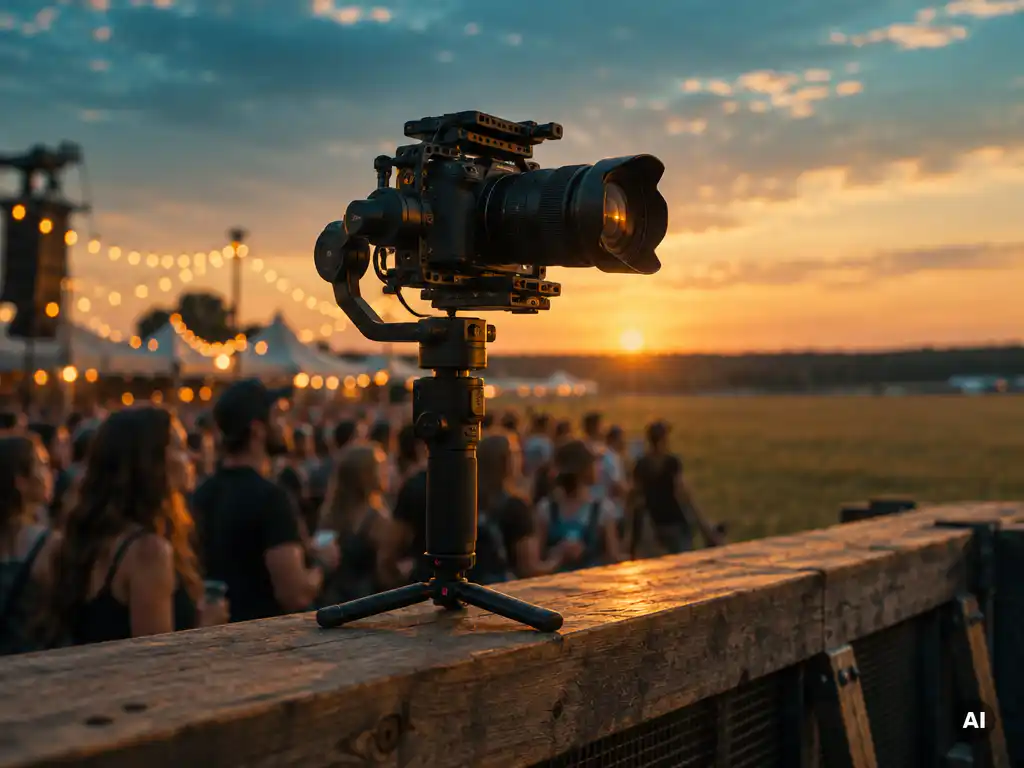
Yes, a festival aftermovie is usually worth it for a small event, provided it is planned as a reusable content asset rather than a single souvenir clip. A well-made aftermovie sells next year’s tickets, attracts sponsors, and gives your event lasting visibility long after the last act leaves the stage.
The return depends on scope, goals, and how well you reuse the footage. Below, we answer the most common questions about festival video production for smaller events, from budgets and alternatives to briefing a crew.
What makes an aftermovie pay off for small events?
An aftermovie pays off when it serves a clear commercial goal, such as ticket sales, sponsor retention, or artist booking, and when its footage is reused across many channels. A single clip watched once creates little value. A content library built from the same shoot keeps working for months.
Small events benefit more than many organizers expect. You do not have the marketing budget of a major festival, so owned video content often becomes your strongest promotional asset. Three factors usually decide whether the investment returns value:
- A defined goal: know whether the video should drive early-bird sales, impress sponsors, or support a funding application.
- A clear audience: a film for potential visitors looks different from one aimed at partners and brands.
- A distribution plan: decide before the shoot where the content will live and when it will be released.
Timing matters too. Releasing the aftermovie within days of the event captures the emotional peak, while ticket-sale announcements for the next edition can follow shortly after.
How much does a festival aftermovie cost?
The cost of a festival aftermovie varies widely and depends on crew size, shooting days, camera setup, editing complexity, and licensing. There is no fixed market price. A compact one-day shoot with a small crew costs far less than a multi-day, multi-stage production with cinematic cameras and extensive post-production.
Rather than chasing a headline number, look at the factors that move the budget:
- Number of shooting days and locations: every extra day or stage adds crew time and equipment.
- Crew size: a lean team covers a small site well, while larger grounds need more operators.
- Camera and lens choice: large-sensor cinematic cameras give a premium look but require more skill and support.
- Post-production: color grading, sound design, and multiple deliverable formats extend editing time.
- Music rights: using artist performances or licensed tracks requires clearance, which can affect both budget and timeline.
Ask for a quote that separates shooting, editing, and delivery. That way you can see where savings are possible without hurting the final result.
How can a small event reuse aftermovie footage?
A small event can reuse aftermovie footage by cutting the raw material into many short assets: vertical social clips, sponsor highlight reels, artist teasers, website banners, and announcement videos for the next edition. Planning these deliverables before the shoot multiplies the value of every filming hour.
Smart reuse turns one production day into months of content. Consider these formats:
- Vertical clips for Instagram Reels, TikTok, and YouTube Shorts, ideally filmed with mobile-first framing in mind.
- Sponsor recap videos showing brand visibility and crowd engagement.
- Artist and stage highlights for line-up announcements next season.
- Website and ticketing page loops that show atmosphere instead of describing it.
- Press and partner material for media outreach and funding applications.
Good media management makes reuse possible. Footage that is logged, backed up, and organized by stage, day, and moment is far easier to repurpose a year later than a folder of unlabeled files.
What are cheaper alternatives to a full aftermovie?
The most affordable alternatives are a short highlight reel, a series of social-first clips, a recap of a single day, or a reduced shoot focused on key moments only. These options keep video quality high while lowering crew size, shooting time, and editing effort.
You can scale down without losing impact by choosing one of these approaches:
- A 30 to 60 second teaser instead of a multi-minute film.
- One headline-moment shoot, such as the main act or the opening, rather than full coverage.
- Vertical-only content built specifically for social platforms, where polished short clips often outperform long films.
- A hybrid approach combining a professional operator with carefully briefed volunteer footage.
Be realistic about quality control. Unbriefed footage from visitors or volunteers is hard to match in color, framing, and audio. If you mix sources, appoint someone to review and edit everything to a consistent standard.
When should a small event skip the aftermovie?
A small event should skip a full aftermovie when it has no plan to use the content, when the budget would compromise the event itself, or when the footage cannot be legally released. In those cases, a lighter content approach is the smarter choice.
Situations where skipping makes sense include:
- The event is a one-off with no future edition to promote.
- Funds are so tight that video would replace a core part of the visitor experience.
- There is no one available to manage releases, rights, and distribution.
- Artist or venue agreements restrict filming and publishing.
Even then, capturing a few quality photos and short clips is cheap insurance. If your event grows, you will be glad to have some record of the early editions.
How should a small event brief a video team?
A good brief states your goal, target audience, key moments, deliverables, deadlines, and rights restrictions in one concise document. The clearer the brief, the less time a video team spends guessing and the more footage they capture that you can actually use.
Include these essentials:
- Objective: what should the video achieve, and for whom?
- Must-capture moments: headline acts, signature installations, sponsor activations, crowd peaks.
- Deliverables and formats: aftermovie length, vertical cuts, sponsor edits, and delivery dates.
- Site information: stage schedule, access points, power, and safety rules.
- Rights and permissions: which artists can be filmed, and what can be published where.
- Reference videos: two or three examples of the look and feel you want.
Share the schedule and a site map early, and name one contact person who can make decisions on the day. Fast answers during the event prevent missed shots.
How CK Productions helps with festival video production
As an independent technical video production partner, CK Productions supports festivals of every size, from compact events to international productions like Tomorrowland. We select crew and equipment per project, so a small event is never forced into an oversized setup.
- Multicamera and cinematic large-sensor filming, scaled to your site and budget.
- Vertical-native video built for mobile-first platforms.
- Media management, post-production, and organized delivery of your footage.
- Coordination of audiovisual workflows, with artist rights clearance handled together with specialized partners where required.
Planning your next edition? Contact CK Productions for a no-obligation conversation about the right video approach for your event.
Frequently Asked Questions
How far in advance should I book a video team for my festival?
Start talking to video teams as soon as your dates and site are confirmed, ideally two to three months before the event for a small festival. This leaves time to align on the brief, schedule a site visit, and clear filming permissions with artists and venues. Last-minute bookings are possible, but you will have fewer options for crew and equipment and less time to plan deliverables.
How do I measure whether my aftermovie was worth the investment?
Tie your metrics to the goal you set before the shoot. For ticket sales, track early-bird purchases and ticketing page visits after release using UTM links. For sponsors, count renewals and positive feedback after sharing the recap video, and for social reach, compare views, shares, and follower growth against your previous posts. Review the numbers 4 to 8 weeks after release and again when next year’s sales start.
How quickly should the aftermovie be released after the event?
Aim to publish within a few days to two weeks, while the emotional peak is still fresh and attendees are still sharing memories. If a full edit needs longer, release a quick 15 to 30 second teaser or vertical clips first, then follow with the main film. Agree on the delivery schedule with your video team in the brief so there are no surprises.
Do I need permission to film attendees and artists at my event?
Yes, you should handle both. For visitors, display clear filming notices at entrances and in your ticket terms so people know that filming takes place. For artists, check their contracts and clear performance and music rights before publishing, since some acts restrict filming or require approval. If you are unsure, consult a legal adviser or work with a production partner who can coordinate rights clearance.
How do I get started if I have never commissioned festival video before?
Begin by writing down your main goal, your target audience, and the three to five moments you must capture. Then collect two or three reference videos you like and request quotes that separate shooting, editing, and delivery. This gives you comparable offers and a solid base for a short brief you can refine with the production team.
What are the most common mistakes small events make with festival video?
The most frequent mistakes are having no clear goal, briefing the team too late, and not planning how the footage will be reused. Others include ignoring audio quality, skipping rights clearance, and failing to name a single decision-maker for the day of the shoot. Avoid these by preparing a concise brief, sharing the schedule early, and planning your vertical and sponsor deliverables before filming starts.
Can I combine volunteer or attendee footage with a professional shoot?
Yes, a hybrid approach can save budget if it is managed well. Give volunteers a simple shot list, basic framing guidelines such as filming vertical and horizontal, and tell them to keep the phone steady and capture clean audio. Then have your editor review and grade all material so it matches the professional footage, and use the volunteer clips mainly for social content and behind-the-scenes moments.
Related Articles
- What is the difference between aftermovies and promo videos?
- Can festival footage help you sell more tickets next year?
- What should festival organizers know before hiring a video crew?
- Why do festival organizers invest in video content every year?
- When should you start planning video coverage for your festival?